
Café Kissa Presents Three Warm and Umami-Full Japanese Dishes
For lovers of Japanese food, there is one trend that is becoming more and more talked about: donabe. This traditional cooking technique using a clay pot is known to produce rice that is more fragrant, has a softer texture, and a flavor that penetrates into every layer of the dish.
Capturing the interest in comfort food that is warm and full of character, Café Kissa presents Donabe’s soula series of new menus that enhance the experience of enjoying donabe with a more modern touch.
PR 4.0: Managing Perception in the Digital Era
The three new menus introduced are: Wagyu Tare Donabe, Ikura Donabe CrabAnd Salmon Sashimi Donabe.
More than just rice dishes, each menu is designed to provide a dining experience that emphasizes the warmth, rich umami flavors and premium quality ingredients that are the hallmark of Japanese cuisine.
From Editors to Algorithms: The Battle of the Media Business in the Digital Era


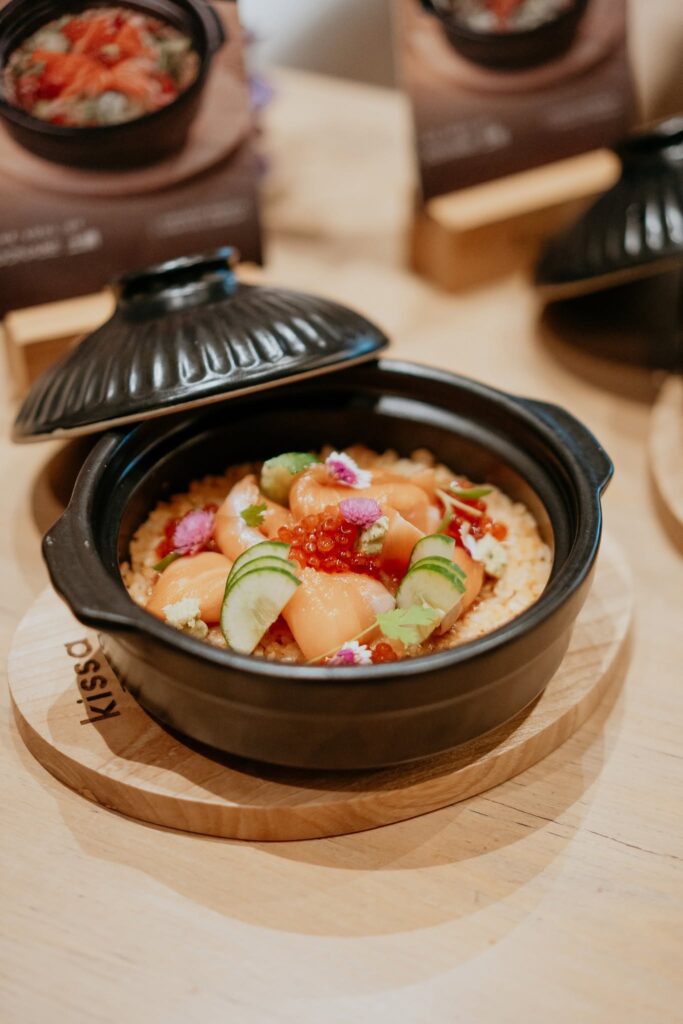
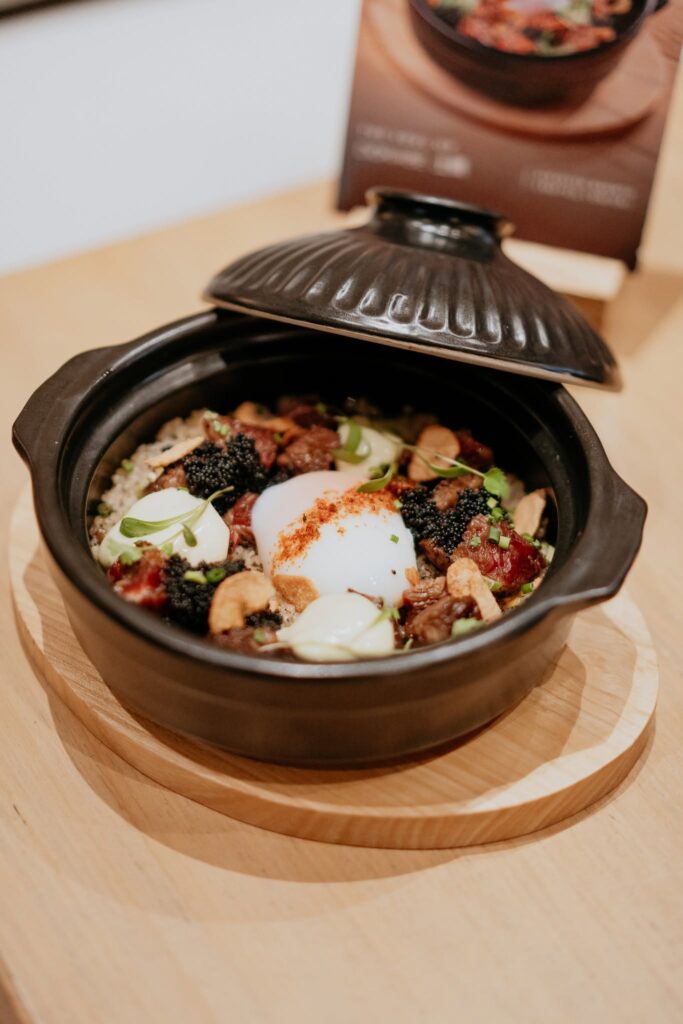
Japanese Traditions That Are Relevant Again
In Japanese culture, donabe has a deeper meaning than just a cooking tool. This clay pot has been used for hundreds of years to serve food that is enjoyed with family and close people.
Manual: Conglomerate Business Strategies That Are Not Taught in Formal Schools
PakarPBN
A Private Blog Network (PBN) is a collection of websites that are controlled by a single individual or organization and used primarily to build backlinks to a “money site” in order to influence its ranking in search engines such as Google. The core idea behind a PBN is based on the importance of backlinks in Google’s ranking algorithm. Since Google views backlinks as signals of authority and trust, some website owners attempt to artificially create these signals through a controlled network of sites.
In a typical PBN setup, the owner acquires expired or aged domains that already have existing authority, backlinks, and history. These domains are rebuilt with new content and hosted separately, often using different IP addresses, hosting providers, themes, and ownership details to make them appear unrelated. Within the content published on these sites, links are strategically placed that point to the main website the owner wants to rank higher. By doing this, the owner attempts to pass link equity (also known as “link juice”) from the PBN sites to the target website.
The purpose of a PBN is to give the impression that the target website is naturally earning links from multiple independent sources. If done effectively, this can temporarily improve keyword rankings, increase organic visibility, and drive more traffic from search results.


