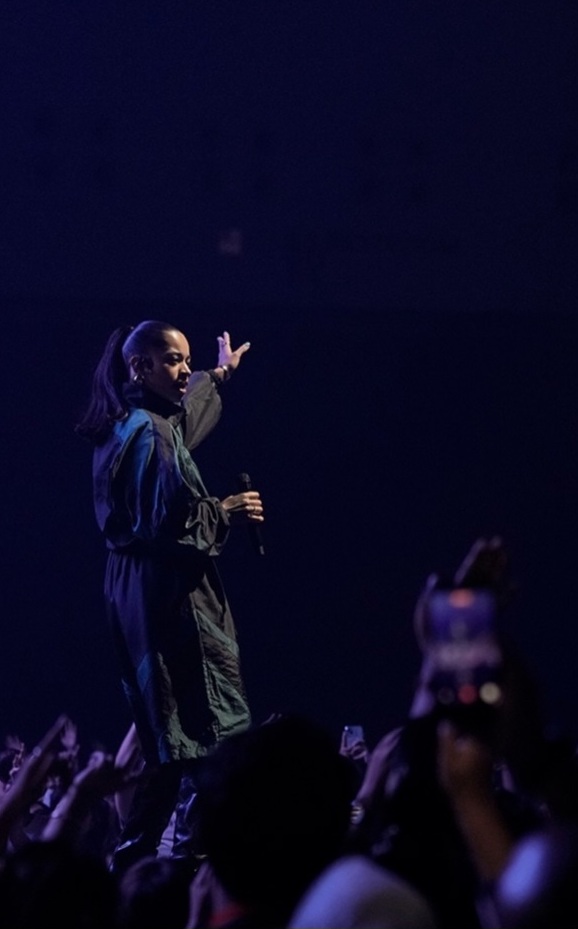
Twenty-one years is not a young age for a music festival. In the entertainment industry, many festivals are born with a bang and then disappear a few years later.
However, the Java Jazz Festival still exists. In fact, in 2026, this festival will actually enter one of its biggest transformation phases since it was first held in 2005. The question is: after more than two decades, what can still be created new?
The answer was clear as soon as thousands of spectators entered the NICE (Nusantara International Convention Exhibition) area at PIK 2, Tangerang (29 – 31 May 2026), which for the first time became the new home of the Java Jazz Festival. After years of being synonymous with JIExpo Kemayoran, this venue move is not just a matter of location. This is a signal that Java Jazz is writing a new chapter.
E-Book Cash Flow Machine: Turn a Simple Idea Into an Automatic Money Machine
The change of venue changed a lot of things. The way people come to festivals is changing. The experience before and after the concert changed. Even the festival atmosphere felt different.
If Kemayoran has been a symbol of Java Jazz history, PIK 2 offers something closer to the concept of a modern lifestyle destination: an area that combines entertainment, culinary, recreation and social experiences in one ecosystem.
Become a Profitable Clipper with Free AI: This is the tutorial
However, the biggest change in Java Jazz has actually been going on much longer than just a change of location.
In recent years, the festival has slowly moved away from its traditional definition as a jazz festival towards something broader. Jazz remains the foundation, but is no longer the only language spoken.
The presence of names such as Daniel Caesar, Ella Mai, Jon Batiste and wave to earth shows that Java Jazz is now a meeting space for various genres, from R&B, soul, alternative pop to modern indie.
Create an AI-Based E-Course: AI-Assisted Scripts, Voice Overs, and Materials, Ready to Sell
PakarPBN
A Private Blog Network (PBN) is a collection of websites that are controlled by a single individual or organization and used primarily to build backlinks to a “money site” in order to influence its ranking in search engines such as Google. The core idea behind a PBN is based on the importance of backlinks in Google’s ranking algorithm. Since Google views backlinks as signals of authority and trust, some website owners attempt to artificially create these signals through a controlled network of sites.
In a typical PBN setup, the owner acquires expired or aged domains that already have existing authority, backlinks, and history. These domains are rebuilt with new content and hosted separately, often using different IP addresses, hosting providers, themes, and ownership details to make them appear unrelated. Within the content published on these sites, links are strategically placed that point to the main website the owner wants to rank higher. By doing this, the owner attempts to pass link equity (also known as “link juice”) from the PBN sites to the target website.
The purpose of a PBN is to give the impression that the target website is naturally earning links from multiple independent sources. If done effectively, this can temporarily improve keyword rankings, increase organic visibility, and drive more traffic from search results.